Vegetable Composition Insights
Explore detailed educational articles on the nutritional characteristics and composition of vegetables with low energy density and high water content.
Featured Articles
Water Content Across Vegetable Families
Comprehensive comparison of water percentages across different vegetable categories, examining how hydration levels influence energy density and composition.
Read article →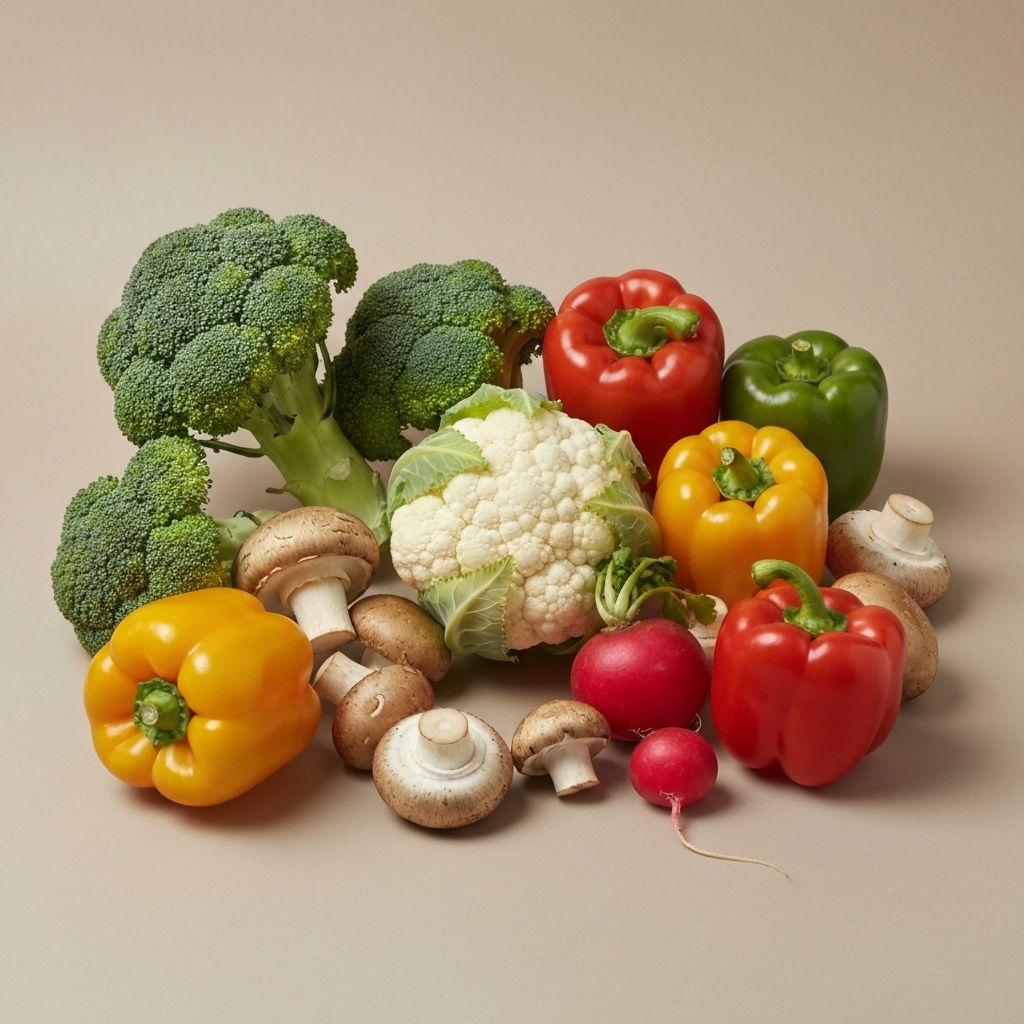
What Determines Energy Density in Produce
Analysis of factors influencing energy density beyond water content, including fat, protein, fibre, and carbohydrate contributions to overall calorie values.
Read article →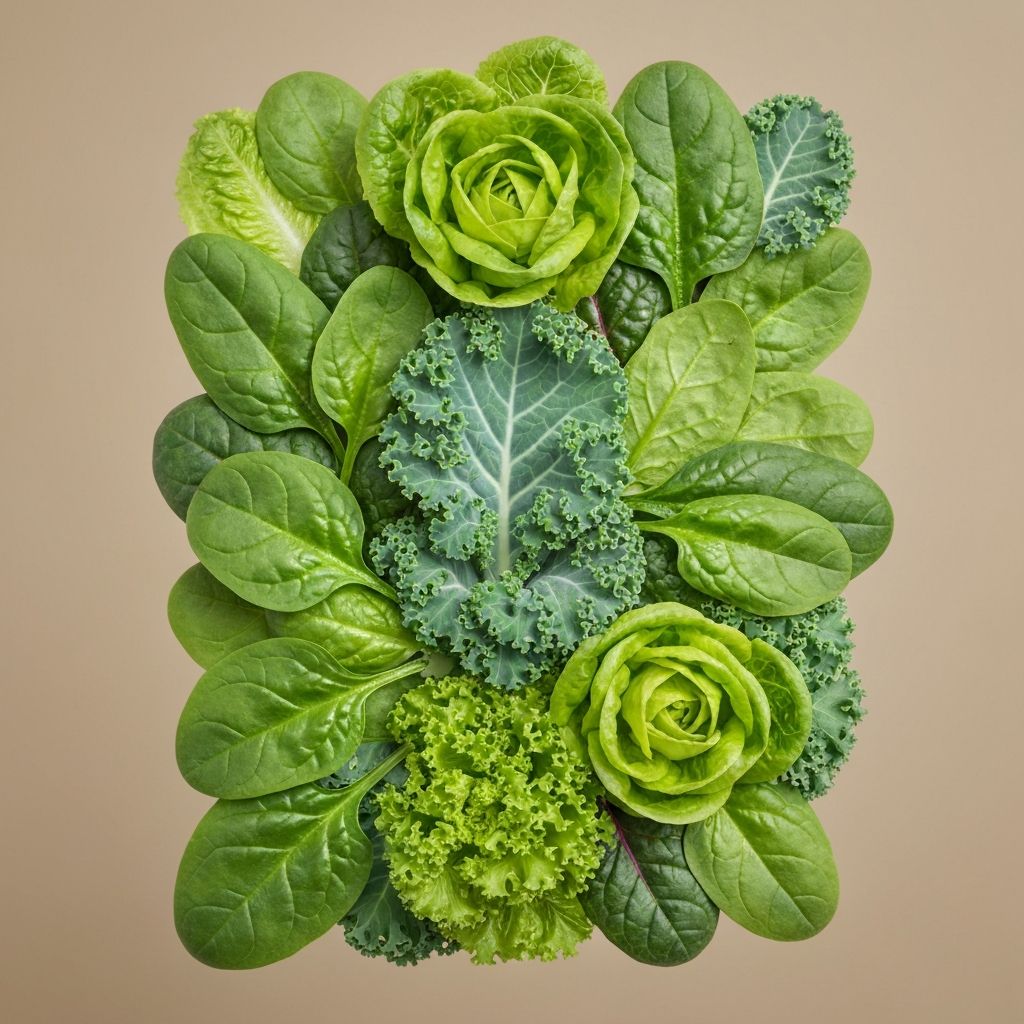
Leafy Greens: Structure and Composition
In-depth examination of lettuce varieties and similar leaves, exploring their cellular architecture, structural characteristics, and nutritional profiles.
Read article →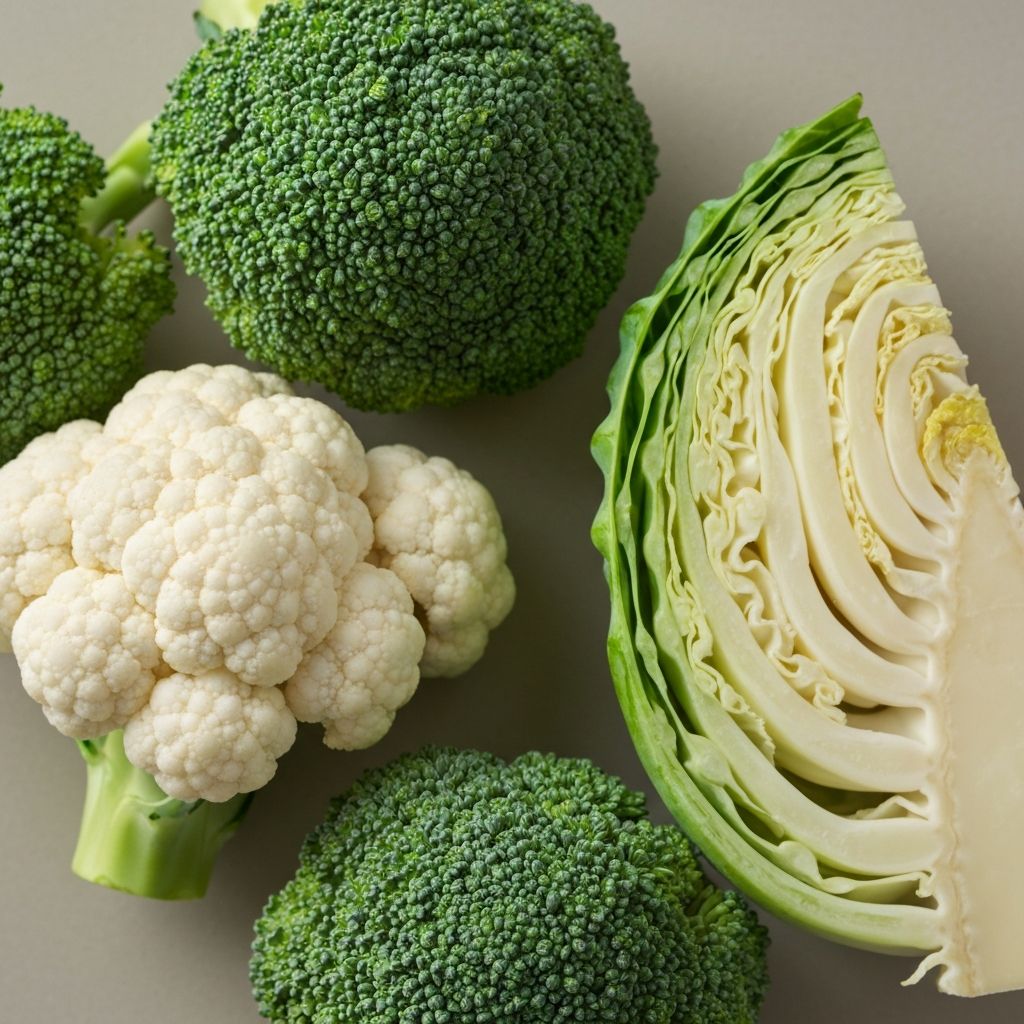
Cruciferous Vegetables Nutritional Profile
Detailed analysis of broccoli, cauliflower, cabbage and related species from the Brassicaceae family, including their nutritional and compositional characteristics.
Read article →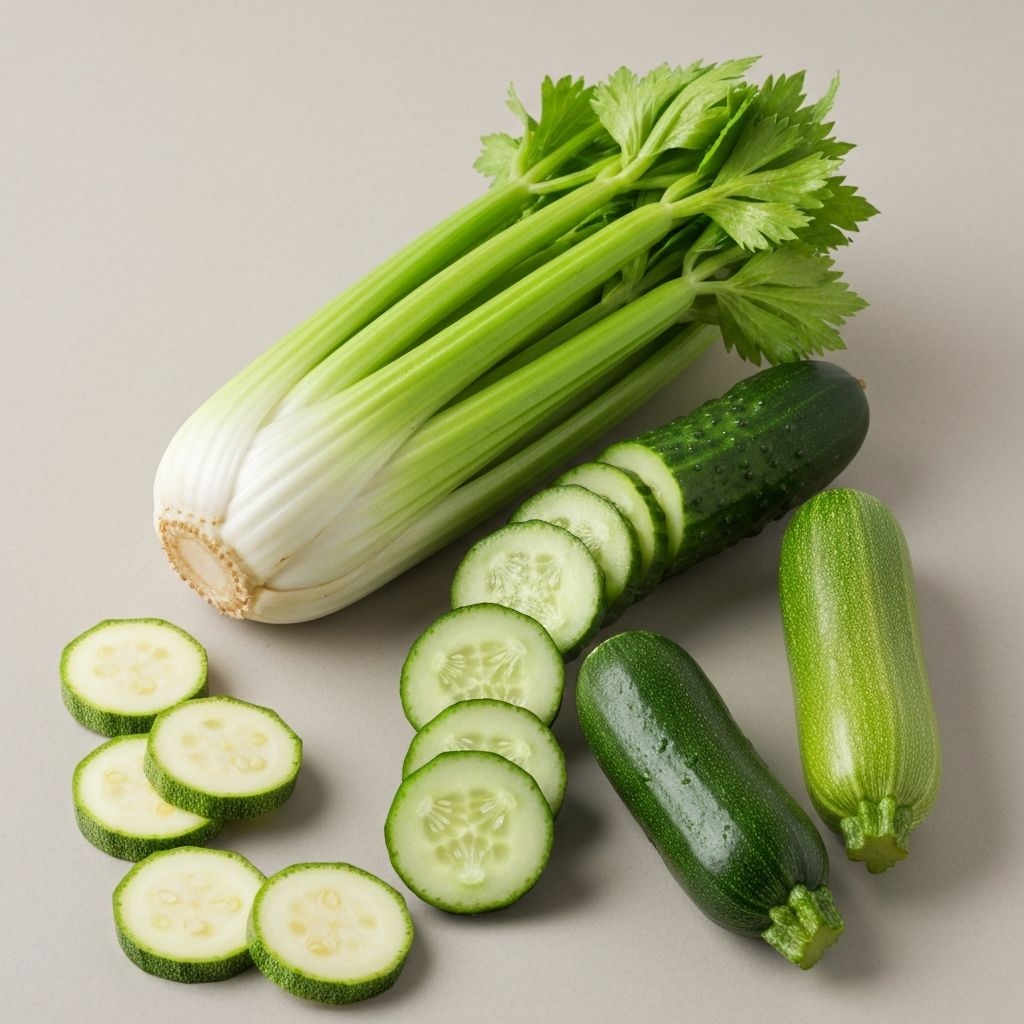
High-Volume Low-Density Vegetables
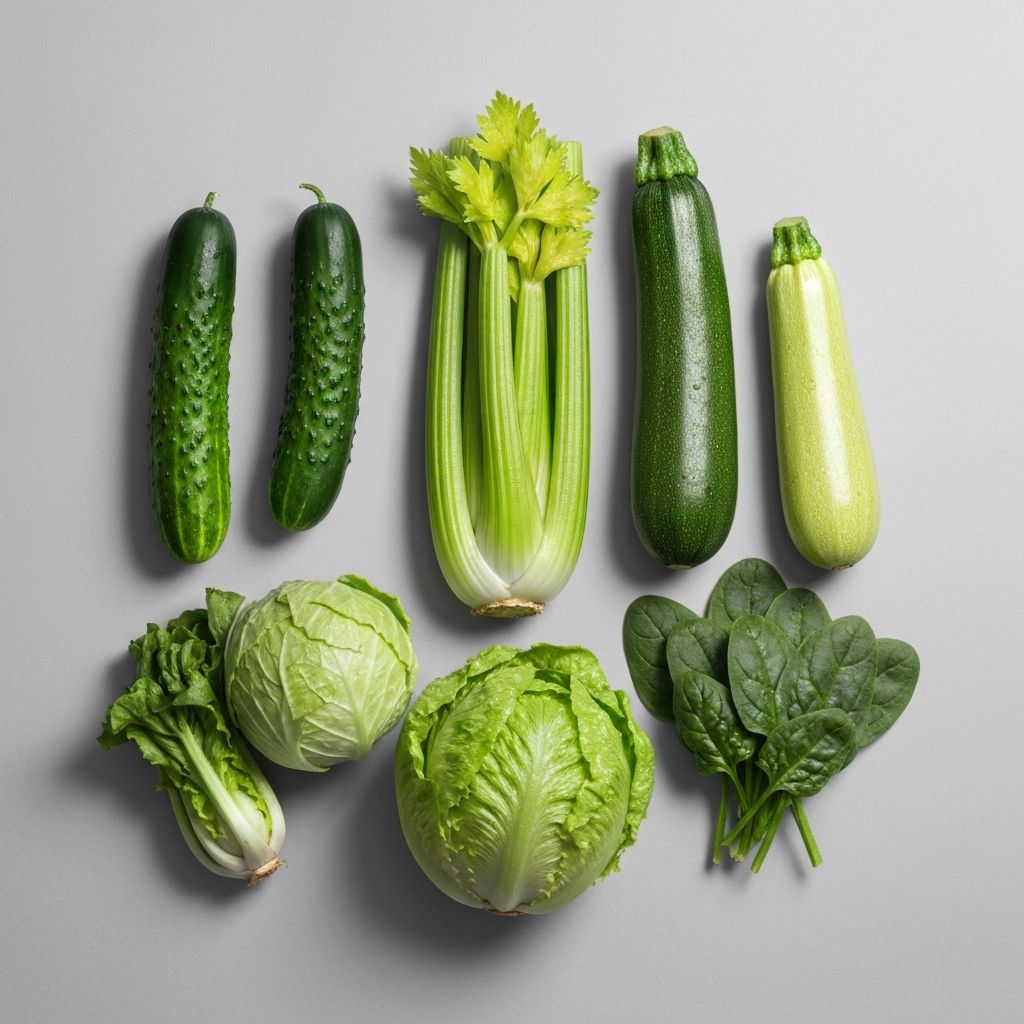
Examination of cucumber, celery, and courgette—vegetables representing the extreme end of water content and low energy density characteristics.
Read article →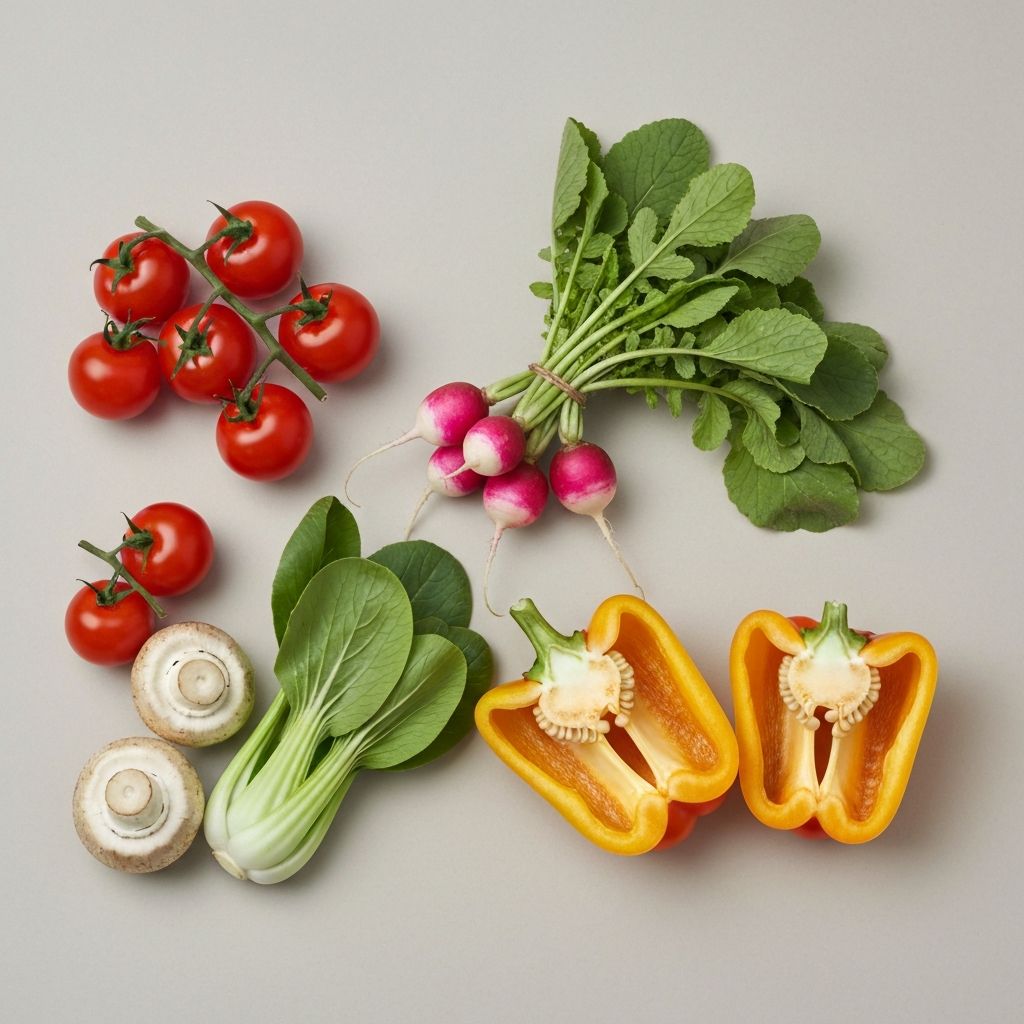
Other Commonly Available Low-Energy Vegetables
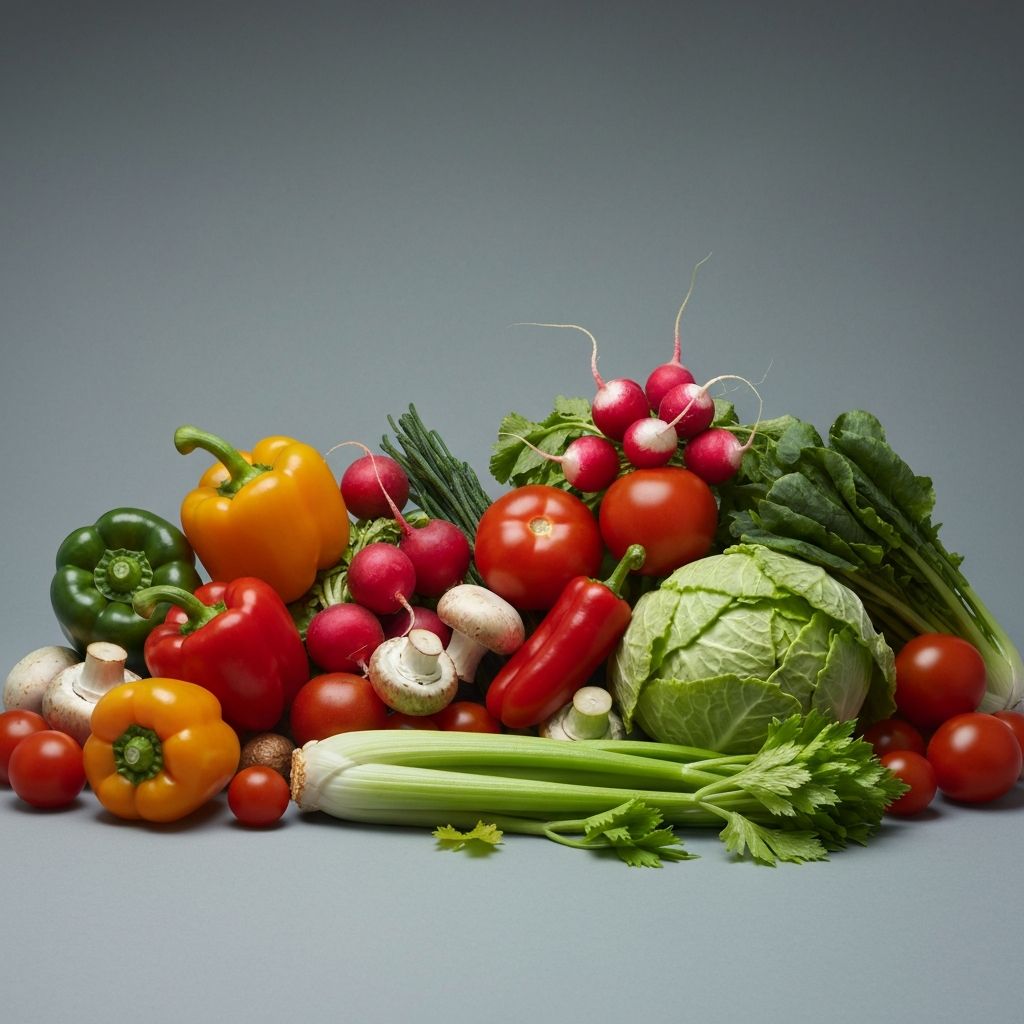
Information on tomatoes, peppers, radishes, mushrooms, and additional produce items displaying low energy density in their fresh, uncooked forms.
Read article →